

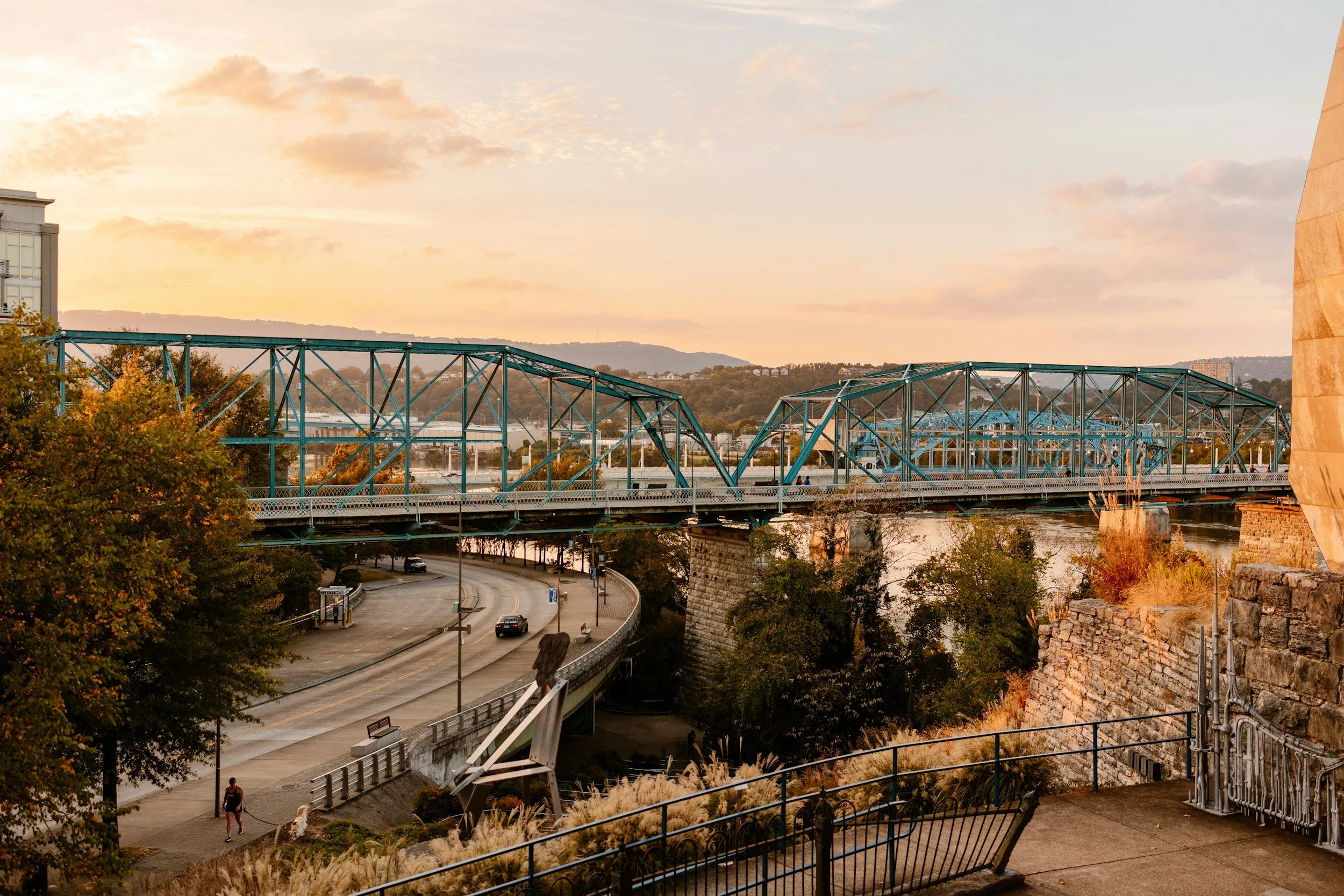
Planning for the Future of Chattanooga’s Past
Preserve Chattanooga is excited to launch a new historic preservation plan. This plan will help guide how preservation can be used as a tool to support Chattanooga and Hamilton County’s growth while protecting and enhancing the places that make our communities special. Most importantly, the plan will be shaped by the community itself through a process guided by preservation professionals.
A new preservation plan for Chattanooga is made possible through generous support from the Lyndhurst Foundation and the Tennessee Historical Commission. The process will be led by the Walker Collaborativein partnership with Thomason and Associates and Common Ground.
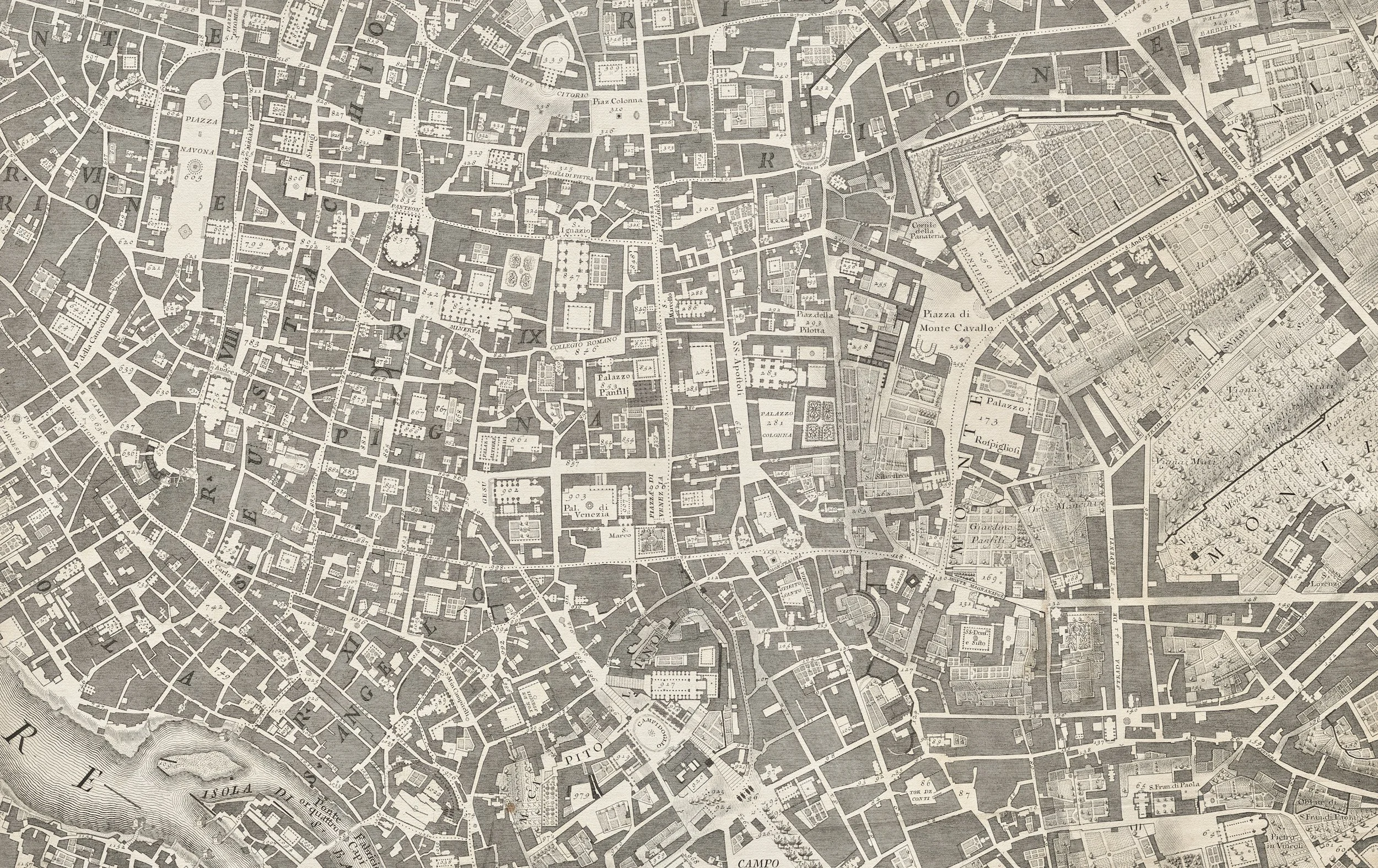
Shaping Chattanooga’s Preservation Future
A public workshop and concepts testing session took place on Monday, August 24, from 4:30–6:00 p.m. at the Downtown Chattanooga Public Library. This session marked phase 3 of the five-phase planning process and was an important opportunity to help shape the recommendations that will ultimately be included in the final plan.
During the workshop, our consultant team shared findings from the community survey and lead discussions around preservation issues, priorities, and potential strategies.
Have additional thoughts after the August 24 presentation? Share your thoughts HERE.
FAQs
What is a preservation plan?
1
A Preservation Plan really serves as a roadmap for how a community identifies, protects, and celebrates its historic and cultural resources over time. That includes not only historic buildings, but also neighborhoods, landscapes, landmarks, archaeological sites, and places that help tell the story of who we are as a community.
At its core, the plan is a shared vision document. It helps establish community priorities and provides strategies for how preservation can support broader goals like economic development, tourism, neighborhood revitalization, sustainability, housing, and quality of life. Preservation is not simply about saving old buildings for nostalgia’s sake — it is about recognizing the value of authentic places and ensuring that growth happens in a way that respects Chattanooga’s character and history.
The preservation plan will also help identify which historic resources are most important to residents, where opportunities and challenges exist, and what tools or policies may be needed moving forward. That could include education initiatives, incentives for rehabilitation, neighborhood conservation strategies, heritage tourism opportunities, or recommendations for future planning and development.
Perhaps most importantly, this is a community-driven process. We want residents from across Hamilton County to help shape the vision for how preservation fits into Chattanooga’s future. The goal is not to stop growth, but to guide growth thoughtfully so that we preserve the places and stories that make our community unique.
Why do we need a preservation plan?
2
Chattanooga is growing rapidly. Without a shared vision, the places that define our city’s character can easily be lost.
A new community Preservation Plan will help Chattanooga:
Protect the places that tell our city’s story.
Use historic buildings as tools for housing, sustainability, and economic vitality.
Ensure preservation reflects the voices and values of the entire community.
Why should the community be involved?
3
Preservation works best when it reflects the priorities of the community. Your support of Chattanooga’s Preservation Plan will help:
Identify the places that matter most to Chattanooga residents. Create practical strategies for preserving historic neighborhoods and landmarks.
Ensure preservation supports a vibrant, inclusive, and growing city.
Start your involvement by taking our community survey HERE.
Has there been a previous plan?
4
Yes! In 1977, TOWNSCAPE was hired to prepare the Chattanooga - Hamilton County Landmarks Survey and Preservation Plan for the Chattanooga - Hamilton County Regional Planning Commission. The final document included history, archaeology, an architectural overview, neighborhood maps with descriptions, and an inventory of the most important buildings.